Should You Buy a Car Through Your Limited Company?
March 13, 2026
Should You Take Dividends Before April 2026?
March 17, 2026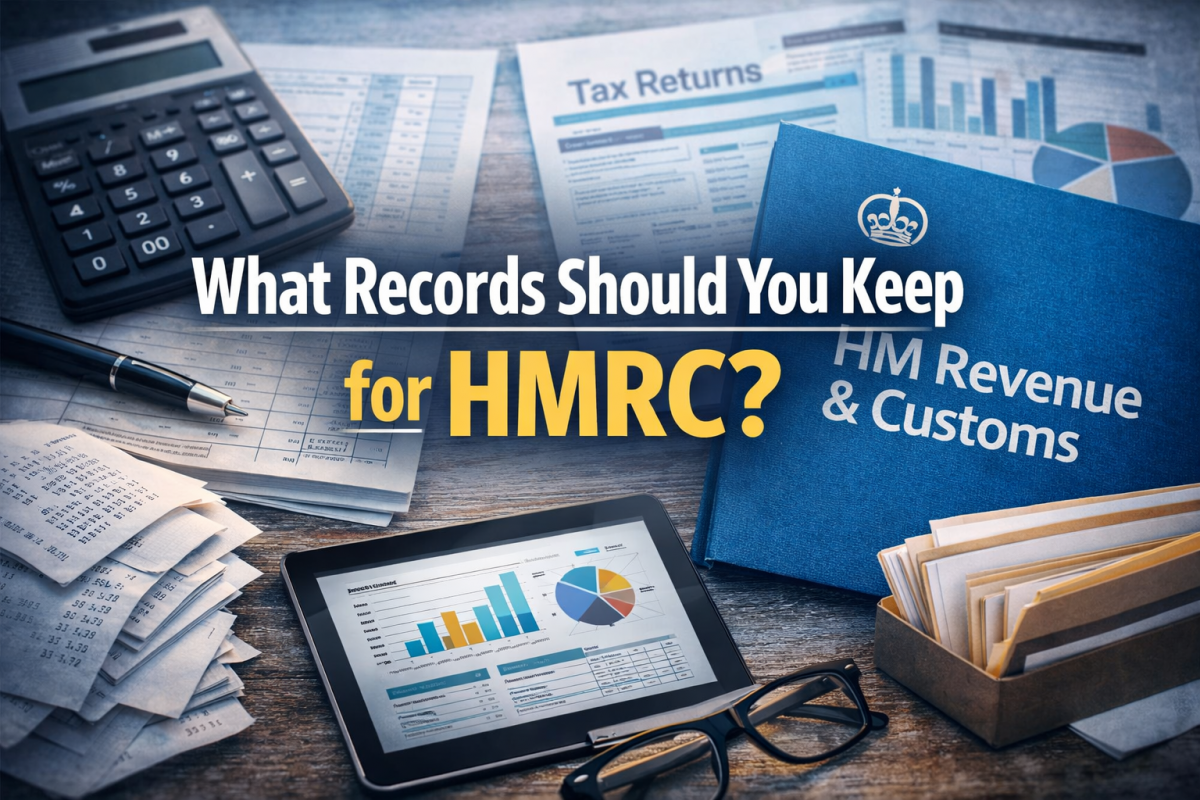
Keeping accurate records is one of the most important responsibilities for any business owner. HMRC requires individuals and businesses to maintain proper records to support the figures reported on tax returns. Good record keeping not only ensures compliance but also makes it easier to manage your finances and avoid unnecessary penalties.
Why Record Keeping Matters
HMRC can ask to see your records if they decide to carry out a compliance check. If your records are incomplete or missing, it can lead to penalties and estimated tax assessments that may not be in your favour. Maintaining organised records also helps you track income, monitor expenses and prepare tax returns more efficiently.
Records You Should Keep
The exact records you need depend on whether you are self employed, a landlord or running a limited company. However, most businesses should keep the following:
Income records
You should keep records of all money received by your business. This may include sales invoices, bank statements, till receipts and online sales reports from platforms such as Amazon, eBay or Shopify.
Expense records
Any business expense that you claim on your tax return must be supported by evidence. This includes receipts, invoices and payment confirmations for items such as office costs, travel expenses, software subscriptions and professional fees.
Bank records
Business bank statements are essential because they show the movement of money in and out of your business. If you run a limited company, it is particularly important to keep business and personal finances separate.
Payroll records
If you employ staff, you must keep records of wages, PAYE deductions, National Insurance contributions and pension contributions.
VAT records
Businesses registered for VAT must keep detailed records of VAT charged on sales and VAT paid on purchases, including VAT invoices and digital records where applicable.
Property records
Landlords should keep records of rental income, letting agent statements, mortgage interest statements and receipts for property related expenses such as repairs and maintenance.
How Long Should You Keep Records?
HMRC requires records to be kept for a minimum period depending on the type of taxpayer.
Self employed individuals should keep records for at least 5 years after the 31 January submission deadline of the relevant tax year.
Limited companies should normally keep records for 6 years from the end of the accounting period.
If HMRC opens an enquiry or there are errors in the return, records may need to be kept for longer.
Digital Record Keeping
With the move towards Making Tax Digital, keeping digital records is becoming increasingly important. Accounting software such as Xero, FreeAgent or QuickBooks can help automate record keeping and ensure information is stored securely.
Digital systems also make it easier to generate reports, track cash flow and prepare tax returns.
Final Thoughts
Good record keeping protects your business. It ensures that your tax returns are accurate, reduces the risk of HMRC penalties and provides a clear picture of your financial position.
If you are unsure what records you should be keeping or need help organising your accounts, professional advice can make the process much easier.
If you need support with your business records or tax compliance, get in touch with our team.