Accountant Red Flags You May Need a Reliable Accountant
January 14, 2026
Bookkeeping Reality Check Business Owners Need to Know
January 16, 2026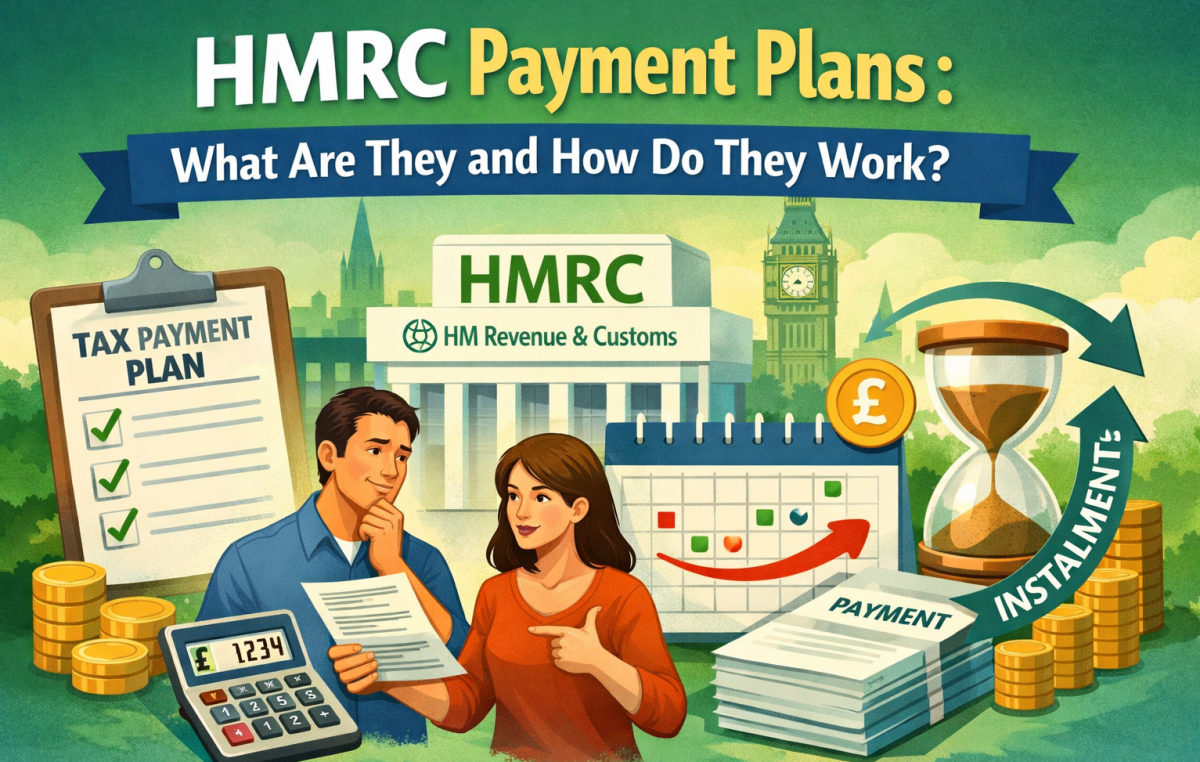
If you cannot afford to pay your tax bill in full, HMRC may allow you to spread the cost through a payment plan. These arrangements are formally known as Time to Pay agreements and can help reduce financial pressure if used correctly.
This blog explains how HMRC payment plans work, who can apply, and what to be aware of before setting one up.
What is an HMRC payment plan?
An HMRC payment plan allows you to pay your tax debt in monthly instalments rather than in one lump sum. It is intended for people and businesses experiencing temporary financial difficulty, not long-term inability to pay.
Payment plans can be used for:
- Self Assessment tax bills
- Corporation Tax
- VAT
- PAYE and National Insurance
Who can get an HMRC payment plan?
HMRC will usually agree to a plan if:
- You cannot pay your tax bill on time
- Your tax returns are up to date
- You can afford regular monthly payments
- The financial difficulty is short term
HMRC will expect you to show that you are paying as much as you reasonably can.
How long can a payment plan last?
Most payment plans run for 3 to 12 months. In some cases, HMRC may agree to a longer period, but this is not guaranteed and depends on your circumstances.
Factors HMRC considers include:
- The amount owed
- Your income and expenses
- Previous compliance with tax deadlines
How do you apply for a payment plan?
For smaller debts, you may be able to set up a plan online if:
- You owe £30,000 or less
- You can pay it off within 12 months
- You have no other outstanding tax returns
For larger debts or more complex situations, you will need to contact HMRC directly or ask an accountant to deal with HMRC on your behalf.
What information will HMRC ask for?
HMRC may ask for details such as:
- Your monthly income
- Household or business expenses
- Savings and assets
- Other debts
This information is used to decide what you can realistically afford to pay each month.
Does interest still apply?
Yes. Interest continues to be charged while the balance is outstanding, even if you are on a payment plan. However, agreeing a plan early can help reduce penalties and prevent enforcement action.
What happens if you miss a payment?
If you miss a payment, HMRC may cancel the arrangement and demand the full balance immediately. This can lead to penalties, debt collection action, or enforcement.
If your circumstances change, you should contact HMRC straight away rather than missing a payment.
Should you get professional help?
An accountant can:
- Check whether a payment plan is appropriate
- Help calculate affordable instalments
- Negotiate with HMRC on your behalf
- Put systems in place to avoid future problems
This is particularly helpful for landlords, company directors, and business owners with multiple tax liabilities.
Final thoughts
HMRC payment plans can offer short-term relief, but they are not a substitute for proper tax planning. Acting early and getting advice can help you stay compliant and avoid unnecessary stress.
If you are struggling with a tax bill or expect problems paying in the future, Taxes Done Right advice can make a significant difference.