MTD Quarterly Reporting: Does It Apply to You or Not?
February 6, 2026
How HMRC’s ‘Wholly and Exclusively’ Rule Actually Works (With Real Examples)
February 10, 2026
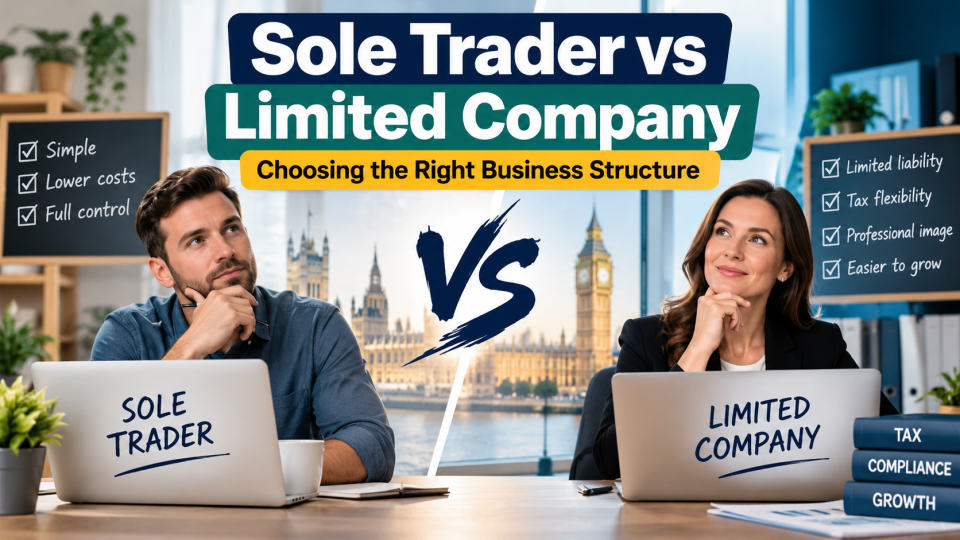
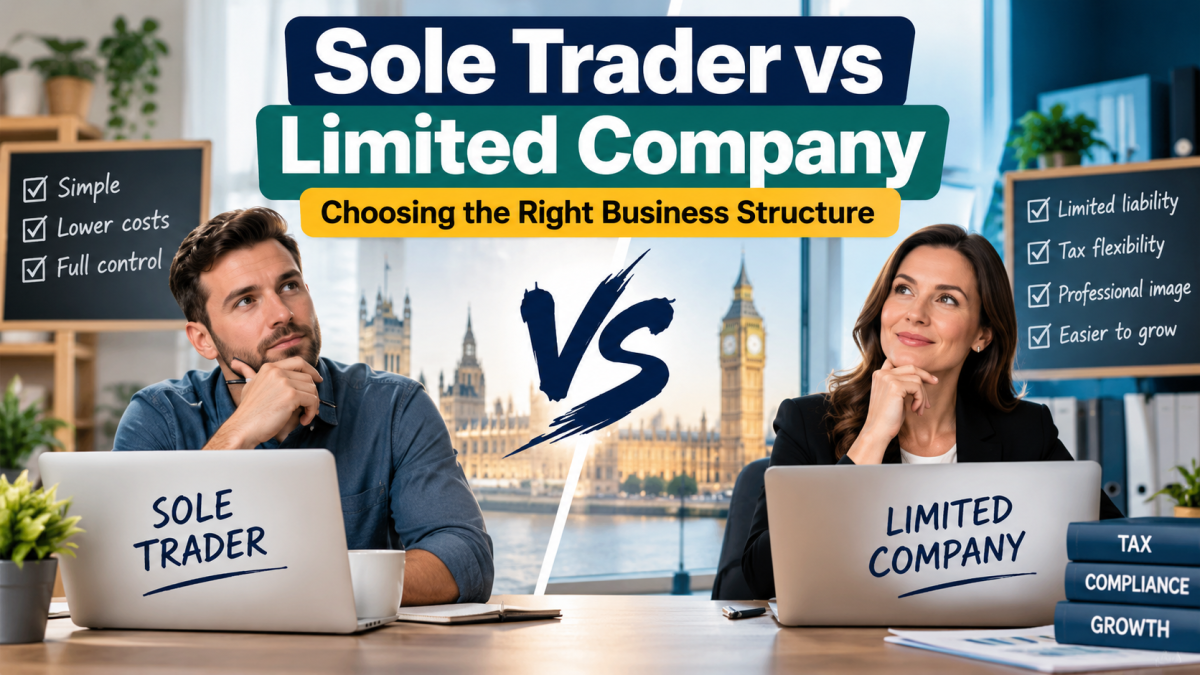
Property investors often ask one key question before buying their next investment: Should I purchase the property personally or through a limited company?
There is no one size fits all answer. The right structure depends on your income, long term goals, financing options, and tax position. Understanding the pros and cons of each option can help you make an informed decision.
Buying Property Personally
Many landlords start their property journey by buying in their own name because it is simple and familiar.
Advantages of Buying Personally
One major advantage is simplicity. Buying personally usually involves less administration and lower running costs compared to operating a company. Mortgage options are also often wider, and interest rates can sometimes be slightly lower than company buy to let mortgages.
Another benefit is that individuals can use their personal Capital Gains Tax allowance when selling a property. This can help reduce the overall tax liability on disposal.
For basic rate taxpayers, personal ownership can still be relatively tax efficient, especially if rental profits remain within the basic rate tax band.
Disadvantages of Buying Personally
Since mortgage interest relief changes were introduced, landlords can no longer deduct full mortgage interest as an expense. Instead, they receive a basic rate tax credit. This means higher and additional rate taxpayers often pay significantly more tax on rental profits.
Rental income is also taxed at personal income tax rates, which can be as high as 45%(increasing to 47% from April 2027). As portfolios grow, this can reduce profitability and limit reinvestment opportunities.
Buying Property Through a Limited Company
Limited company ownership has become increasingly popular, especially for landlords building larger portfolios.
Advantages of Buying Through a Limited Company
One of the biggest benefits is that mortgage interest is usually fully deductible as a business expense. This can make a significant difference to overall tax efficiency.
Company profits are taxed under Corporation Tax rates, which are generally lower than higher personal income tax rates. This can allow investors to retain more profit inside the company and reinvest into additional properties.
A company structure can also support long term planning, including succession planning and flexible ownership through shares.
Disadvantages of Buying Through a Limited Company
Operating through a company involves additional responsibilities such as annual accounts, corporation tax returns, and ongoing compliance costs.
Mortgage options can be more limited and often come with higher interest rates and arrangement fees. Some lenders also require personal guarantees from directors.
Extracting money from the company can also create additional tax charges if profits are taken as dividends or salary.
Other Key Factors to Consider
Your Current Income Level
Higher rate taxpayers often benefit more from company ownership because of mortgage interest restrictions in personal ownership.
Long Term Investment Plans
If you plan to build and retain a large portfolio, company ownership may offer greater tax efficiency and reinvestment flexibility.
Financing and Lending
Some investors may find personal borrowing easier depending on credit profile and lender criteria.
Exit Strategy
Selling personally owned property is usually simpler. Selling company owned property can involve additional tax considerations, depending on whether you sell shares or assets.
Can You Transfer Properties Into a Limited Company Later?
Transferring personally owned property into a company is possible but can trigger Capital Gains Tax and Stamp Duty Land Tax, which can make the process expensive. In certain circumstances, incorporation relief may be available, but this depends on meeting strict criteria.
Professional advice is essential before considering any transfer.
Which Option Is Right For You?
Personal ownership may suit investors with smaller portfolios, lower income levels, or those seeking simplicity.
Limited company ownership often suits investors building long term portfolios, higher rate taxpayers, or those planning to reinvest profits into future property purchases.
Every investor’s situation is different, and choosing the wrong structure can result in unnecessary tax costs and financing challenges.
How We Can Help
At Taxes Done Right, we help landlords and property investors choose the most tax efficient structure based on their circumstances and long term goals. We can review your income position, portfolio plans, and financing options to help you make the right decision.
If you are planning your next property purchase and want tailored advice, get in touch with us today.