Dividend Tax: The Costly Mistakes Many Company Directors Make
July 7, 2026
HMRC Bank Details Explained: Where Should You Send Your Tax Payment?
July 9, 2026
Account Deadline is something thousands of UK taxpayers need to be aware of each year, especially if they are self-employed or receive untaxed income. One of the most common surprises for taxpayers is discovering they need to make Payments on Account to HMRC, often resulting in a much larger payment than expected.
Many people assume they only need to pay their annual Self Assessment tax bill. However, if certain conditions are met, HMRC may require advance payments towards your next tax bill. Understanding how this works can help you budget effectively, avoid financial stress, and stay compliant.
In this guide, we’ll explain what Payments on Account are, who they affect, and what you should do before the next deadline arrives.
What Is Account Deadline for Payments on Account?
The Account Deadline for Payments on Account refers to the dates when advance tax payments become due to HMRC.
Payments on Account are advance payments towards your next year’s Income Tax and Class 4 National Insurance liability. Rather than paying all your tax after the tax year ends, HMRC collects part of the following year’s estimated liability in advance.
Each payment usually equals 50% of your previous year’s tax bill (excluding Capital Gains Tax and Student Loan repayments).
For many taxpayers, this can come as an unexpected surprise if they are unaware of the rules.
Who Needs to Make Payments on Account?
You may need to make Payments on Account if:
- You’re self-employed.
- You’re a sole trader.
- You’re a business partner in a partnership.
- You receive significant untaxed income.
- Your Self Assessment tax bill exceeds £1,000.
- Less than 80% of your tax has already been collected through PAYE.
If these conditions apply, HMRC will normally require advance payments for the following tax year.
Understanding the Payment Schedule
Payments on Account are normally made in two instalments:
- First payment: 31 January
- Second payment: 31 July
If there is still additional tax owing after these payments have been made, any balancing payment is also due on the following 31 January.
For example:
- Your 2025/26 tax return creates a tax bill of £12,000.
- HMRC may require:
- £12,000 balancing payment.
- Plus £6,000 first Payment on Account.
- Then another £6,000 becomes payable by 31 July.
Many taxpayers are surprised because the January payment can effectively be much larger than their actual tax bill.
Why the Account Deadline Catches So Many Taxpayers Out
The Account Deadline often catches people off guard because they only budget for the tax they’ve already earned.
Instead, HMRC may request advance payments based on your previous year’s figures. If your profits remain similar, this system simply spreads your tax payments throughout the year.
However, if you’re unaware of Payments on Account, the larger January bill can create unnecessary financial pressure.
Planning early is the key to avoiding last-minute stress.
Can Payments on Account Be Reduced?
Yes.
If you genuinely believe your income for the following tax year will be lower than the previous year, you may be able to reduce your Payments on Account.
Examples include:
- Reduced business income.
- Retirement.
- Business closure.
- Maternity leave.
- Significant reduction in trading activity.
However, reducing payments without sufficient justification could result in interest charges if too little tax is ultimately paid.
Professional advice is recommended before making a claim to reduce Payments on Account.
How to Prepare Before the Account Deadline
Preparing well before the Account Deadline can make a significant difference.
Consider the following:
- Keep bookkeeping fully up to date.
- Estimate your annual profits early.
- Set aside money throughout the year.
- Review whether Payments on Account are likely.
- Check whether your expected income has changed.
- Speak to your accountant before submitting your tax return.
Good financial planning removes uncertainty and helps avoid unexpected cash flow problems.
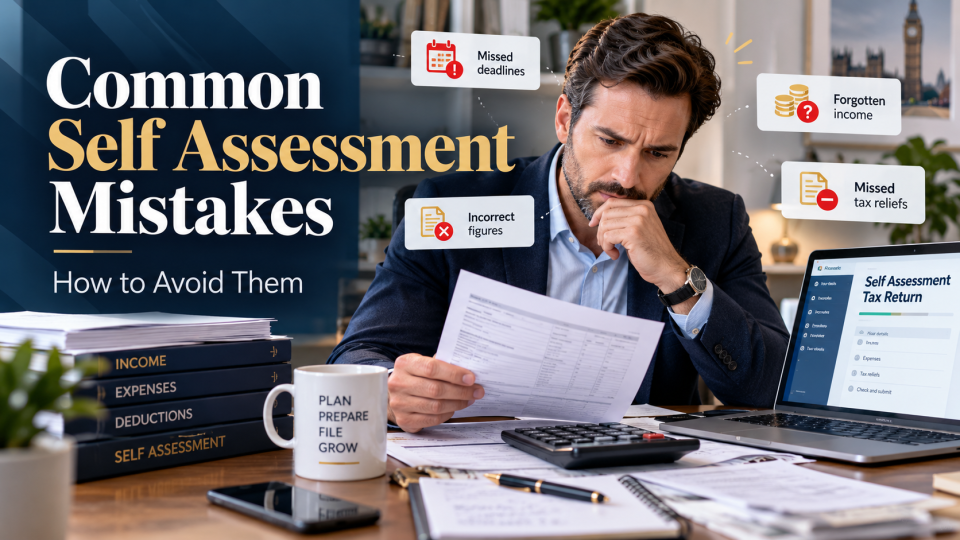
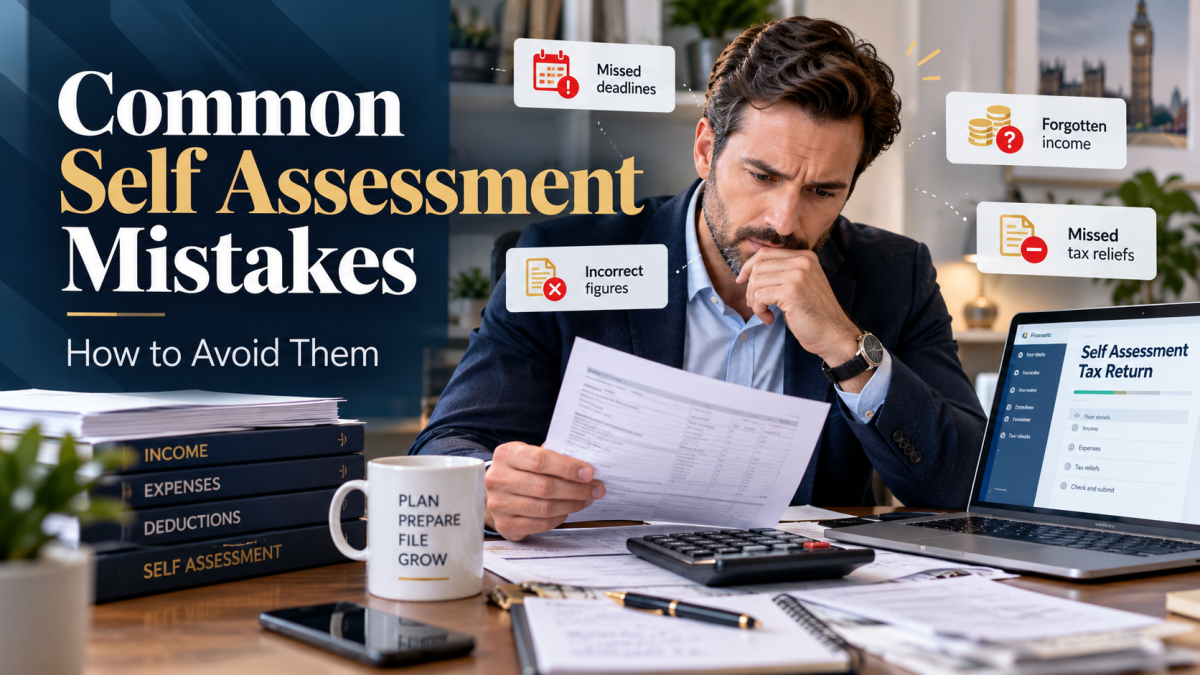
Common Mistakes to Avoid
Many taxpayers unknowingly make mistakes that can increase stress or result in additional costs.
Common errors include:
- Assuming Payments on Account are an extra tax.
- Forgetting about the July payment.
- Not budgeting throughout the year.
- Ignoring HMRC payment reminders.
- Reducing Payments on Account without evidence.
- Waiting until the last minute to prepare tax records.
Avoiding these mistakes can help ensure your tax affairs remain under control.
Why Early Planning Makes a Difference
The earlier you prepare, the more options you have.
Knowing your expected tax position months before the deadline allows you to:
- Improve cash flow.
- Avoid rushed bookkeeping.
- Reduce unnecessary stress.
- Make informed financial decisions.
- Ensure sufficient funds are available when payments become due.
Many successful business owners treat tax planning as an ongoing process rather than something that only happens once a year.
Final Thoughts

Payments on Account are a normal part of the UK Self Assessment system, but they can be confusing if you’re unfamiliar with how they work.
Understanding the Account Deadline, knowing when payments are due, and planning ahead can help prevent unexpected tax bills and improve your overall financial management.
If you’re unsure whether Payments on Account apply to you, or you’d like help estimating your next tax liability, professional advice can provide valuable clarity and peace of mind.
At Taxes Done Right, we help individuals, landlords, freelancers, and business owners understand their tax obligations, prepare ahead of deadlines, and avoid costly surprises. Planning today can make your next Account Deadline much easier to manage.
Need clarity on your situation?
📞 Call 0161 710 1901
📧 Email Tax@TaxesDoneRight.co.uk