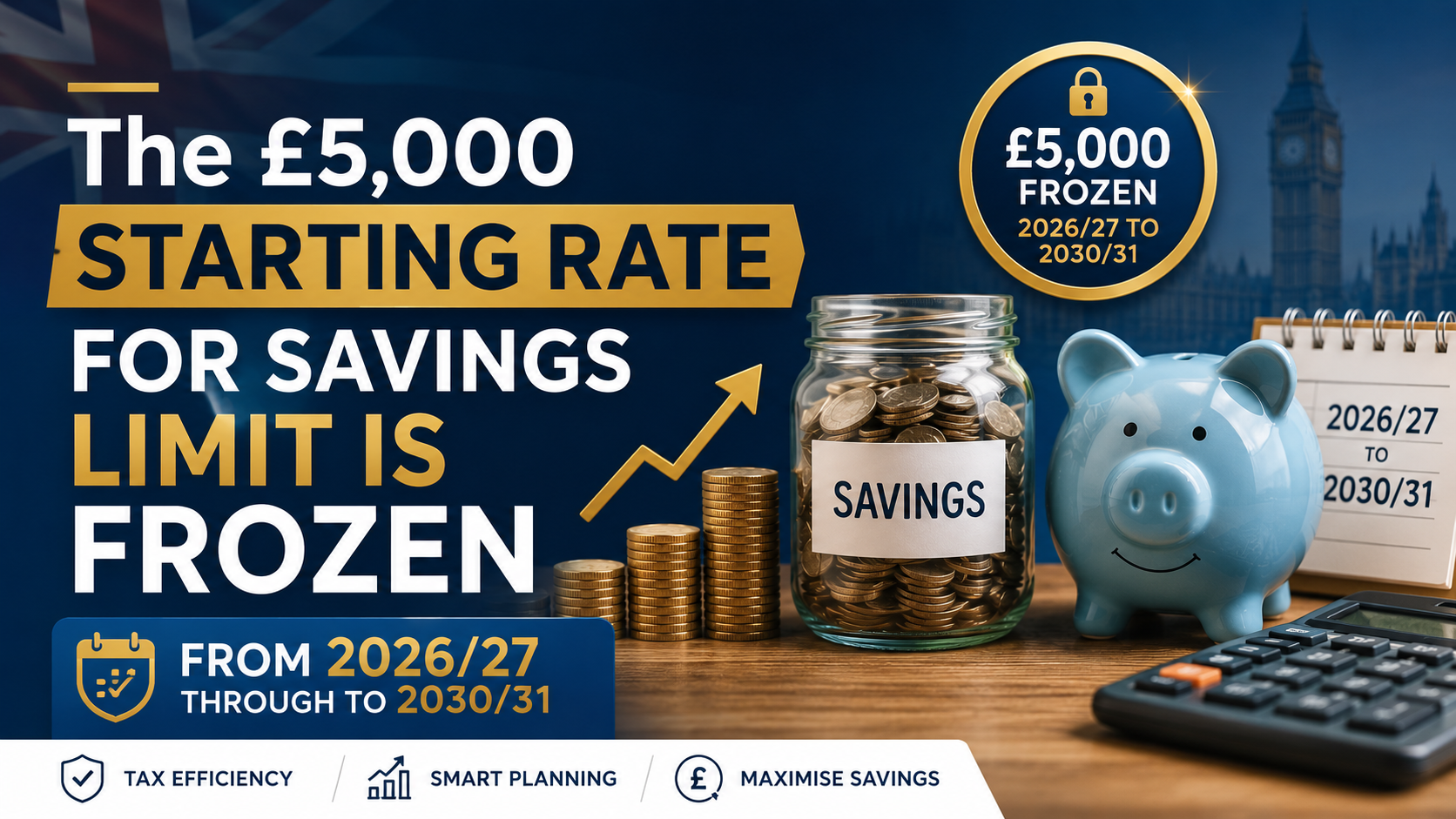
The £5,000 Starting Rate for Savings limit is frozen from 2026/27 through to 2030/31
June 1, 2026
Company Cars and Benefit in Kind Tax in 2026
June 3, 2026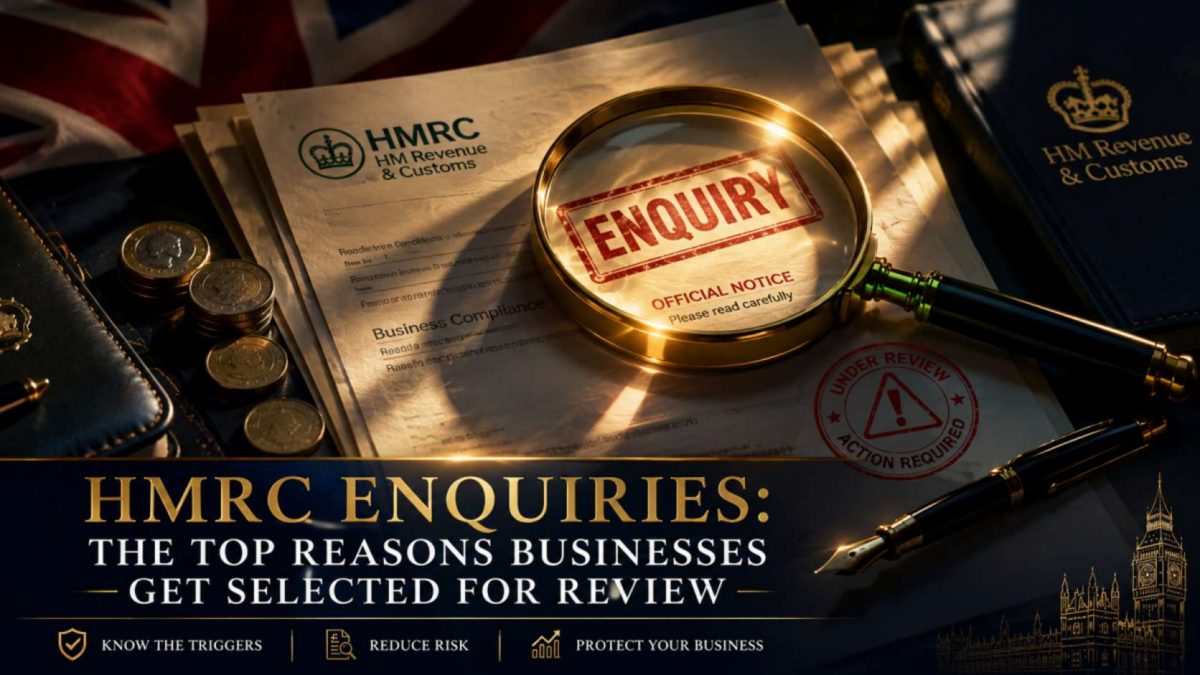
HMRC Enquiries: The Top Reasons Businesses Get Selected for Review
HMRC Enquiries are a reality that many UK businesses may face at some point. While being selected for review does not automatically mean that something is wrong, it does mean that HMRC wants to examine certain aspects of a tax return, business records, or financial activities more closely.
Many business owners assume that HMRC Enquiries are completely random. While HMRC does carry out some random compliance checks, most reviews are triggered by specific risk indicators, inconsistencies, or unusual patterns identified through its increasingly sophisticated data analysis systems.
Understanding the common reasons behind HMRC Enquiries can help businesses improve compliance and reduce the likelihood of unwanted scrutiny.
Why HMRC Enquiries Happen
HMRC collects information from numerous sources, including banks, employers, Companies House, property transactions, and digital accounting records. This information is compared against submitted tax returns to identify discrepancies or unusual activity.
When something appears inconsistent or outside expected norms, HMRC may decide to investigate further through an enquiry.
HMRC Enquiries and Unusual Changes in Income
One of the most common triggers for HMRC Enquiries is a significant change in income or profits.
For example, if a business suddenly reports substantially lower profits than previous years, HMRC may want to understand the reasons behind the reduction. While there may be legitimate explanations such as economic conditions, increased expenses, or reduced sales, unusual fluctuations can attract attention.
Likewise, businesses that report large increases in turnover without corresponding increases in tax liabilities may also be reviewed.
Errors and Inconsistencies in Tax Returns
Mistakes on tax returns are another common reason for HMRC Enquiries.
Examples include:
- Mathematical errors
- Incorrect VAT calculations
- Mismatched figures between accounts and tax returns
- Missing information
- Inaccurate expense claims
Even genuine mistakes can trigger questions from HMRC. Consistently submitting accurate and well-prepared returns can significantly reduce the risk of attracting attention.
HMRC Enquiries and Excessive Expense Claims
HMRC often reviews businesses that claim unusually high expenses compared to others in the same industry.
While legitimate business expenses are fully allowable, excessive claims for areas such as travel, subsistence, entertainment, motor expenses, or home office costs may raise concerns.
If expenses appear disproportionately high relative to turnover, HMRC may request supporting documentation to verify the claims.
Maintaining clear records and evidence for all business expenses is essential.
Late Filing and Payment History
Businesses with a history of late tax returns or delayed tax payments are more likely to experience HMRC Enquiries.
Repeated non-compliance can signal potential risk to HMRC and may increase the likelihood of further scrutiny.
Submitting returns on time and paying tax liabilities by the relevant deadlines demonstrates good compliance behaviour and may reduce the risk of future reviews.
Industry Sectors That Receive Greater Attention
Certain industries are subject to increased monitoring because they are considered higher risk from a tax compliance perspective.
Examples may include:
- Construction
- Hospitality
- Restaurants and takeaways
- Taxi and transport services
- Hair and beauty businesses
- Cash-intensive retail operations
This does not mean businesses within these sectors are doing anything wrong. However, HMRC may allocate more compliance resources to industries where errors or under-reporting have historically been more common.
HMRC Enquiries and Director’s Loan Accounts
For limited companies, director’s loan accounts can attract particular attention.
Where directors withdraw money from a company that is not treated as salary or dividends, HMRC may examine whether the transactions have been recorded correctly.
Issues commonly reviewed include:
- Overdrawn director’s loan accounts
- Unpaid balances
- Incorrect treatment of withdrawals
- Potential benefit-in-kind implications
Keeping accurate records and obtaining professional advice can help ensure compliance in this area.
VAT Irregularities and HMRC Enquiries
VAT returns are frequently reviewed by HMRC, especially where unusual repayment claims or inconsistent reporting patterns exist.
Potential triggers include:
- Large VAT refund claims
- Significant fluctuations in VAT figures
- Consistent repayment positions
- Differences between VAT returns and annual accounts
Businesses should ensure that VAT records are complete, accurate, and supported by appropriate documentation.
Third-Party Data Matching
HMRC now has access to extensive third-party information sources and uses advanced technology to identify discrepancies.
Information may be obtained from:
- Banks and financial institutions
- Land Registry records
- Companies House filings
- Online selling platforms
- Payment processors
- Overseas tax authorities
If information received from these sources does not align with tax returns, HMRC may initiate further enquiries.
How Businesses Can Reduce the Risk of HMRC Enquiries
While no business can guarantee that it will never face an enquiry, there are practical steps that can reduce risk.
These include:
- Maintaining accurate bookkeeping records
- Filing tax returns on time
- Keeping supporting documentation for all claims
- Reviewing returns before submission
- Correcting errors promptly
- Seeking professional advice when necessary
Strong record keeping and consistent compliance remain the best defence against unnecessary scrutiny.
Final Thoughts on HMRC Enquiries
HMRC Enquiries are often triggered by specific risk factors rather than pure chance. Unusual income patterns, excessive expense claims, VAT irregularities, filing errors, and inconsistencies within tax returns can all increase the likelihood of review.
By maintaining accurate records, meeting filing deadlines, and ensuring tax returns are prepared correctly, businesses can significantly reduce their exposure to compliance issues. If HMRC does open an enquiry, responding promptly and providing clear supporting evidence will usually help the process progress more smoothly.
Need help deciding what’s best for your situation?
📞 Call 0161 710 1901
📧 Email Tax@TaxesDoneRight.co.uk
Visit www.taxesdoneright.co.uk