Should Buy-to-Let Landlords Register for VAT in the UK?
May 11, 2026
How to Set Up a Limited Company in the UK: Step-by-Step Guide
May 13, 2026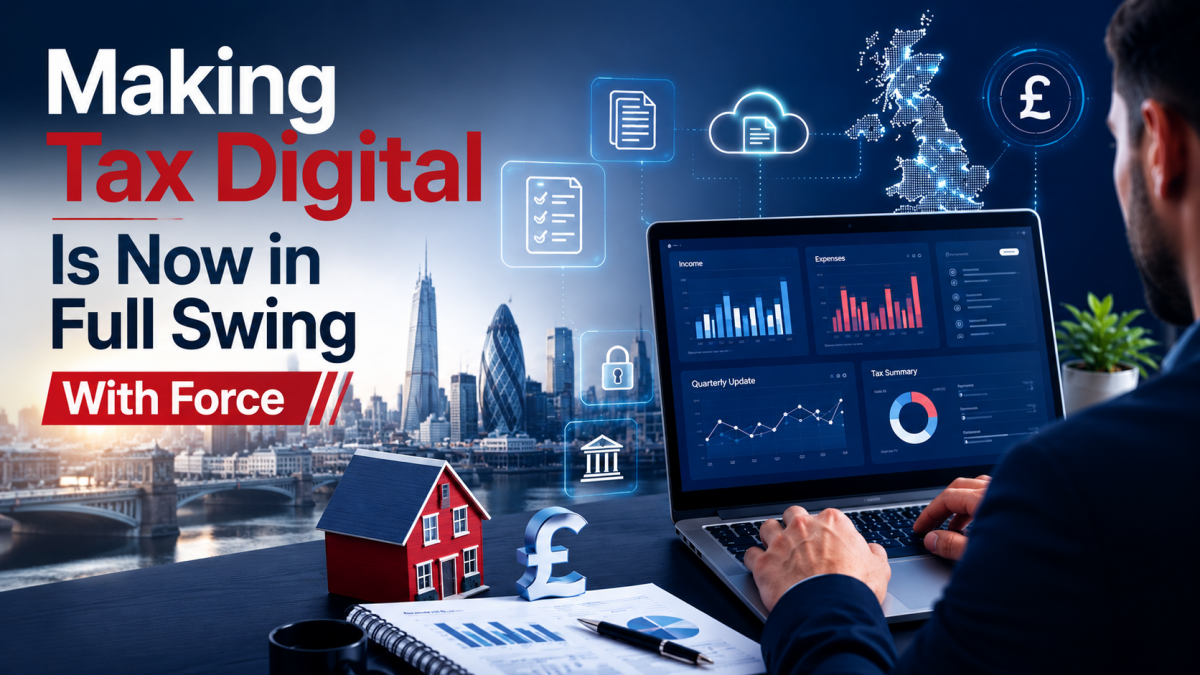
What Is Making Tax Digital?
Making Tax Digital is HMRC’s long-term initiative to modernise the UK tax system by moving tax reporting onto digital platforms.
The overall aim is to reduce mistakes, improve accuracy and increase efficiency by requiring taxpayers to:
- Keep digital records
- Use compatible software
- Submit updates electronically
- Maintain ongoing digital compliance
HMRC believes a significant amount of tax loss occurs because of avoidable record keeping mistakes and outdated manual processes.
Making Tax Digital is designed to reduce these errors while giving HMRC more regular visibility over income and tax reporting.
Who Will Be Affected by Making Tax Digital?
The next major phase of Making Tax Digital mainly affects:
- Self-employed individuals
- Landlords with property income
- Individuals with combined above qualifying income above HMRC thresholds
From April 2026, many taxpayers with qualifying income exceeding £50,000 will fall within the Making Tax Digital rules for Income Tax Self Assessment.
From April 2027, the threshold is expected to reduce further to £30,000.
This means a large number of landlords and self-employed individuals who currently submit one tax return each year will soon be required to submit quarterly digital updates instead.
Making Tax Digital for Landlords
Landlords are one of the biggest groups affected by Making Tax Digital.
Many property investors still keep manual spreadsheets, paper receipts or incomplete records. Under the new system, landlords will generally need:
- Digital bookkeeping records
- Compatible software
- Quarterly reporting submissions
- More organised expense tracking
It does not necessarily mean landlords will pay more tax, but it does mean record keeping standards are becoming much stricter.
HMRC will effectively receive more regular updates regarding income and expenses throughout the year.
This is a significant change compared to the traditional annual Self Assessment process many landlords are used to.
Why HMRC Is Accelerating Making Tax Digital
HMRC has invested heavily into digital compliance systems and data collection technology over recent years.
Making Tax Digital forms part of a wider strategy where HMRC increasingly relies on:
- Real-time information
- Automated compliance checks
- Digital records
- Cross-referencing systems
- Electronic reporting
The direction is very clear. HMRC wants tax reporting to become faster, more transparent and more digitally connected.
As a result, businesses continuing to rely entirely on manual processes may struggle to keep up with future compliance expectations.
Making Tax Digital and Quarterly Reporting
One of the biggest concerns surrounding Making Tax Digital is the introduction of quarterly updates.
Rather than simply submitting one tax return each year, affected taxpayers may need to provide:
- Quarterly income updates
- Quarterly expense reporting
- End-of-period statements
- Final year-end submissions
This creates additional administrative responsibility for many businesses and landlords.
However, businesses already using proper cloud accounting systems may find the transition far easier than those relying on spreadsheets or paper records.
Software Requirements for Making Tax Digital
MTD requires taxpayers to use compatible software approved for digital submissions.
This often includes cloud accounting platforms or bookkeeping systems capable of:
- Digital record keeping
- Bank feed integration
- Expense tracking
- Electronic submissions
- Quarterly reporting
Many businesses are now reviewing their accounting systems well in advance to avoid last-minute problems.
Waiting until the final implementation stage may create unnecessary disruption and rushed decision making.
Common Mistakes Businesses Are Making
Many businesses are still underestimating the scale of change involved with Making Tax Digital.
Some of the most common mistakes include:
Assuming HMRC Will Delay Again
Many taxpayers believe implementation dates will continue being postponed indefinitely. However, HMRC is clearly moving forward with digital compliance reforms.
Leaving Preparation Too Late
Businesses waiting until the final months before implementation may struggle with software migration, bookkeeping organisation and staff training.
Poor Record Keeping
Making Tax Digital relies heavily on accurate and organised digital records. Incomplete bookkeeping creates major risks.
Not Seeking Advice Early
Many landlords and business owners still do not fully understand how the rules apply to their specific situation.
Benefits of Preparing Early for Making Tax Digital
Although Making Tax Digital creates additional compliance responsibilities, preparing early can provide several benefits.
Businesses with proper digital systems may experience:
- Better financial visibility
- Faster bookkeeping
- Improved organisation
- Reduced manual errors
- Easier tax planning
- More accurate reporting
Early preparation also reduces the risk of panic-driven decisions closer to implementation deadlines.
Final Thoughts on Making Tax Digital
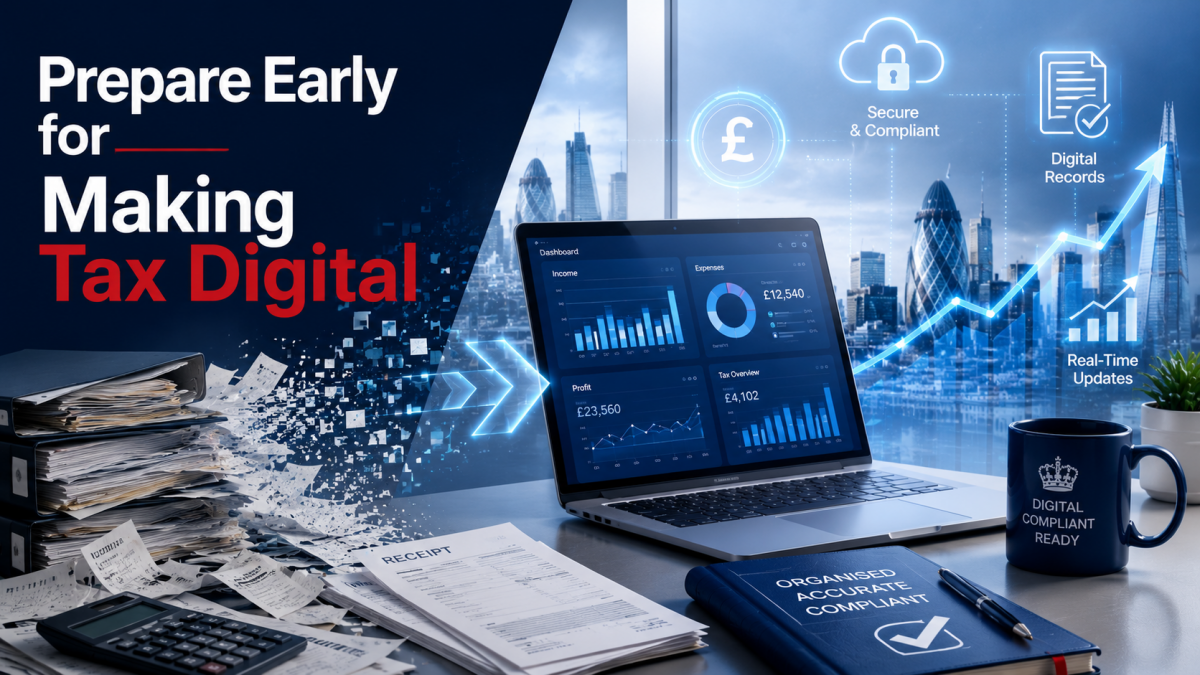
Making Tax Digital is now becoming a major part of the UK tax system and HMRC is clearly committed to expanding digital compliance requirements further over time.
For landlords, self-employed individuals and business owners, the best approach is to prepare early rather than waiting until compliance becomes urgent.
The businesses most likely to struggle are those still relying on outdated systems, incomplete records and reactive bookkeeping processes.
Making Tax Digital is not simply a software change. It represents a wider shift in how HMRC expects taxpayers to manage records, report income and maintain compliance.
Getting systems in place now can save significant stress, reduce future errors and make the transition far smoother when the rules fully apply.
Need help deciding what’s best for your situation?
Call 0161 710 1901
Email Tax@TaxesDoneRight.co.uk
Visit www.taxesdoneright.co.uk